The main children that we worked with in the placements or over the year were children aged 9-11 years old they were all mixed ability and mixed gender and roughly the number of participants would be around 30. In with the children, were some behavioural issues and some disabilities so adapting the session as a coach to reduce the amount of issues and to involve all children no matter what was the key factor.
As a coach, the one thing to be aware of is the children’s status as not all families or children have the same things. many of the children’s families come from a very different background so each child is different in the way they learn and teach along with the development of skill groups, such as moving from fundamental movement skills to sport specific movement skills, (Gallahue and Ozmun, 1986) they will all develop skills at different paces. As a coach in the sessions there should be no divide between participants in relation to their socioeconomic status, they should all be treat equally from both the peers and the staff/ coach that is on.
The children just as well as the coach will need the cooperation and level of respect for one another as if something in the session goes wrong they need to know that they can improvise and work up a plan together to overcome it. for example, if a certain drill is really hard for a number of participants but it is easier for others, due to ability levels, the coach and the children need to come up with a solution to allow the striving participants to receive a challenge and the struggling participants a chance to develop the skill they aren’t capable of mastering. In the player engagement part of the plan and reflective framework, the session needs to have challenge points for all participants to stop the session from becoming tedious and then the children loosing engagement and then this is when behavioural issues start to arise.
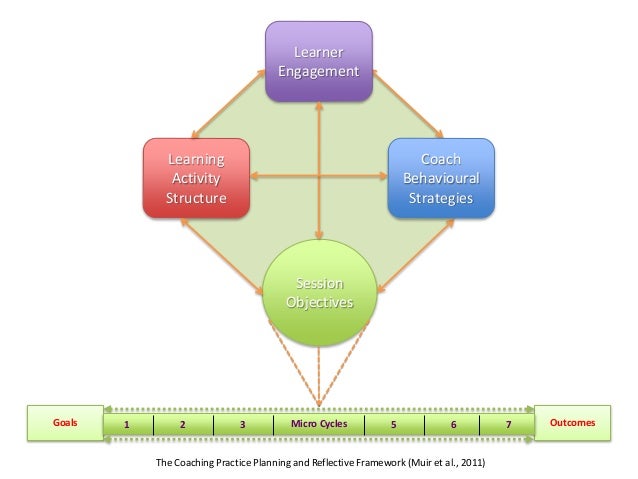

Children who do struggle with behavioural issues will have coping mechanisms in place whether this may be going and aiding other participants to do the best in their activities so peer praise or if they are struggling they could potentially show them how to complete the task through peer demonstration. sometimes some of the participants might need to just cool down and take 5 minutes out of the session and come back in once they have calmed down. Most the time this works quite well and they come back in with a clearer head and are ready to complete the next task given. Keeping the children occupied at all times and taking shorter breaks in between activities the better as they wont have anything other than the task to focus on, introducing challenges and time restraints is always a good way of keeping them fully engaged in the activity to reduce the amount of misbehaviour’s.
Children with learning difficulties or disabilities should also be included in the activity no matter what the circumstance unless it is detrimental to their well being or others around them. in sessions the coach will adapt the session to make it relevant for that participant, for example if someone is in a wheelchair and the task was dribbling the ball round cones, they could bounce the ball either side of the chair or we could make the space between the cones bigger so they can get round.
Gallahue, D.L. and Ozmun, J.C. (2006) Motor Development: A theoretical Model. In: Winnick, J.P. 4th ed. Motor Development, New York: Human Kinetics, pp. 78-95
Muir, B. (2012). Using Video and the Coaching Practice PLanning and Reflective Framework to Facilitate High Performance Coaches Development. In UK Sport World Class Performance Conference.
Abraham, A., & Collins, D. (2011). Effective Skill Development: How Should Athletes’ Skills Be Developed? In D. Collins, H. Richards, & A. Button (Eds.), Performance Psychology: A Guide for the Practitioner (pp. 207–230). London: Churchill Livingstone.
 Sports Coaching- Coaching Behaviours AAS1